

The Torah column is supported by a generous donation from Eve Gordon-Ramek in memory of Kenneth Gordon.
Shemot
Exodus 1:1-6:1
The Torah portion Shemot is one of my favorites in the Hebrew Bible, since it sets up the entire Exodus narrative that is to follow. In fact, its very name is identical with the name of the Biblical book of which it is a part, so there are many themes and directions one could go in writing a commentary based on this parashah.
The first book of the Torah, Genesis, is now over. No more Adam and Eve, Cain and Abel, Noah and the flood. We are also now past the stories and lives of our patriarchs (Abraham, Isaac and Jacob) and matriarchs (Sarah, Rebecca, Rachel and Leah).
As a direct consequence of the intense family drama between Joseph and his brothers described at the end of Genesis, the book of Shemot — and this week’s parashah — opens with the Israelites in Egypt, toiling in bondage under a new and wicked Pharaoh.
We are back to the nuts-and-bolts narrative of an enslaved people yearning to be free, a tale we recount every year in the Haggadah at the start of the Passover seder.
In Shemot, we are introduced to Moses, their ultimate leader and a prophet of God. We see this reluctant man, a man who rejects God’s charge to lead no less than five times in this parashah, gain the insight and courage to help transform a ragtag band of slaves into a holy nation.
Shemot is the stage from which their freedom will ultimately emerge, the literary and historical context from which a journey through the desert wilderness will lead to the foot of Mount Sinai, where an eternal covenant is offered by God and accepted by the Israelites.
That is the defining moment that makes them Jews, a people with a sacred mission to both lead and follow, a people forever in an intimate relationship with Adonai.
There will be many struggles ahead, but in the end, the Torah will lead from that life-changing revelation and spiritual birth to a great redemption at the threshold of the Promised Land, a land that Moses will never enter — but that he will gain a vision of in all its glory before he dies.
This parashah, Shemot, is where this incredible and famous adventure begins.
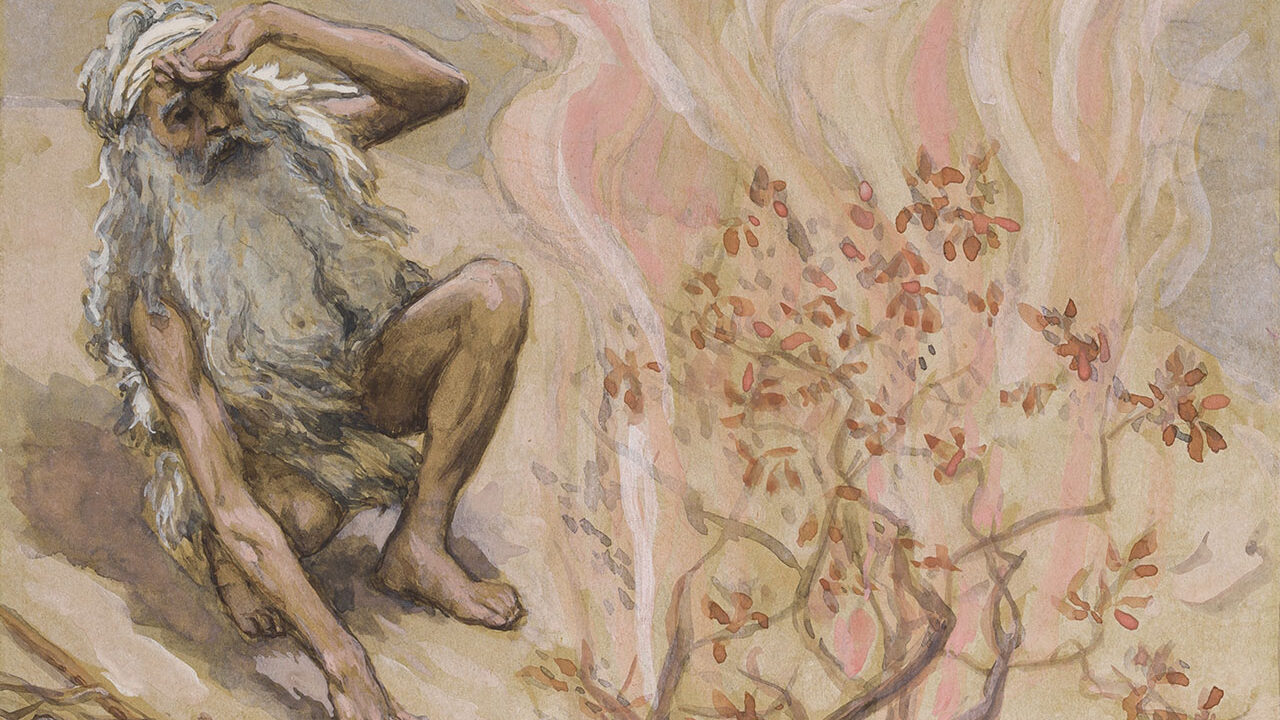
At first, God seems to single out Moses as the exclusive and solitary leader of the people of Israel. God speaks to Moses through a burning bush:
“I have marked well the plight of My people in Egypt and have heeded their outcry because of their taskmasters; yes, I am mindful of their sufferings…. Now the cry of the Israelites has reached Me; moreover, I have seen how the Egyptians oppress them. Come, therefore, I will send you to Pharoah, and you shall free My people, the Israelites, from Egypt.” (Deuteronomy 3:7-10)
Moses, unlike many of today’s leaders, is humbled by his divine charge and responds with modesty: “Who am I that I should go to Pharaoh and free the Israelites from Egypt?” (Deuteronomy 3:11)
After God reassures Moses that God will be with him, the prophet learns that he will also have his brother Aaron by his side, as a partner in the process of liberating their people from bondage: “The Lord said to Aaron, ‘Go to meet Moses in the wilderness.’ He went and met him at the mountain of God, and he kissed him.” (Deuteronomy 4:27)
Moses accepts this arrangement without a word and, presumably, wholeheartedly. He knows that he needs help, and even though Moses will be the primary leader of the Israelites, he will not be alone. It isn’t ego that motivates him, but a desire to do what is best for his people.
Moses eventually succeeds in his task. The people of Israel are freed from slavery in Egypt and bear witness to the revelation of the Ten Commandments and the covenant at Mount Sinai.
Yet before that scene, Moses does one more thing that demonstrates his humble and pragmatic approach to his leadership role. At the suggestion of his Midianite father-in-law, Jethro, Moses delegates much of his responsibility for leading his people and resolving disputes to a group of morally upright and experienced elders. They will help him with his mission, and his burden.
Moses provides a model for all of us regarding how to be an effective and moral leader. He collaborates, he delegates, and, when it is clear that he will no longer be able to lead his people into the Promised Land, he makes sure that there is a suitable and transparent process of succession. Before he dies, Moses hands the mantle of leadership over to the young Joshua.
If only today’s political leaders would follow his lead.