
There are moments when the distance between here and there suddenly disappears.
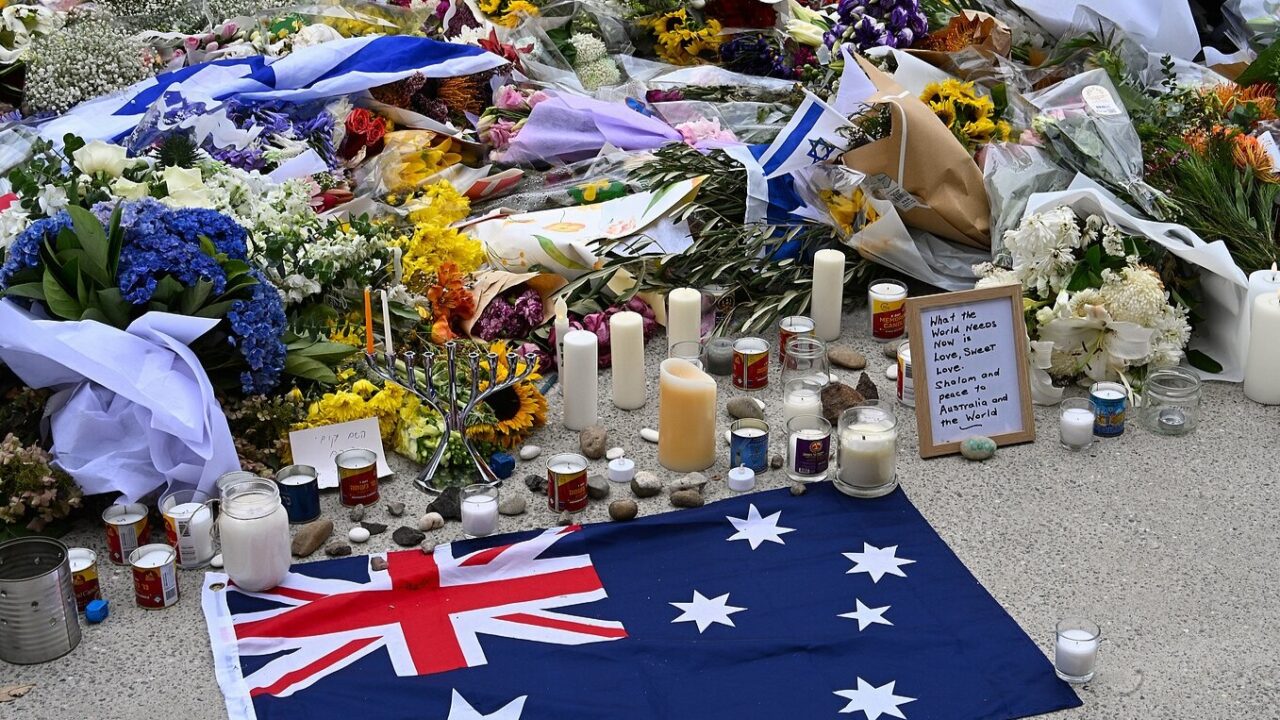
Here in Santa Rosa, we live in a community surrounded by beauty, familiar streets and a rhythm of life that often feels calm. But since Dec. 14, our hearts have been far from here. They’ve been in Sydney. With families whose lives were shattered by terror. With a Jewish community that woke up to fear where there should have been safety.
Terror collapses geography. It reminds us how fragile ordinary life can be and how quickly violence intrudes into places of peace. Even from Santa Rosa, the pain feels close — because Jewish pain is never distant.
Parashat Miketz opens in that same emotional space. Pharaoh’s dreams are not puzzles; they are nightmares. They reflect a world that suddenly feels unstable, unpredictable and dangerous. Joseph, meanwhile, is still in prison, forgotten, waiting, wondering if relief will ever come.
The Torah emphasizes the moment: “Miketz shnatayim yamim.” Two long years have passed. The fear is not brief. The uncertainty is not theoretical. And when Joseph is finally brought up from the pit, the world does not become safe.
What changes is not the world. What changes is the human response.
Joseph does not deny the danger ahead. He names it honestly: Years of famine are coming.

Instead of panic, he offers wisdom. Instead of despair, he takes responsibility. He prepares, he protects, and he acts for the sake of others. Jewish faith, the Torah teaches us, is not about pretending the darkness isn’t real. It is about choosing how we respond to it.
Here in Santa Rosa, we know this lesson well. Fires have taught us how quickly life can change. We know what it means to watch the sky, listen for alerts and wonder what tomorrow will bring. But we also know something just as powerful: how neighbors check on one another, how communities become lifelines, how fear can awaken compassion instead of cruelty.
That is Joseph’s legacy alive among us.
As I was carrying the weight of what happened in Sydney, I found myself in Florida, far from home. On that first night of Hanukkah, I felt a deep need not to sit alone with the darkness of the news. So I went to light the first candle with the local Chabad community.
I didn’t know most of the people there. But standing shoulder to shoulder, singing the blessings, watching that first small flame catch and hold, something shifted inside me. That candle did not make the world safe. It did not undo the violence. But it reminded me of something essential: Terror does not get to isolate us. Wherever Jews gather, whether in Sydney, Florida or in Northern California, we stand together.
That moment was deeply personal. Lighting that candle was my way of saying that Jewish life continues not because darkness disappears, but because we refuse to let it win. We answer fear with presence. We answer violence with connection. We answer night with light.
This is why Miketz is always read during Hanukkah. Joseph teaches us how to live in a world we cannot control, by choosing clarity over chaos, responsibility over resignation and hope over fear.
Today, we send our hearts across oceans. We mourn the victims in Sydney. We hold their families in prayer. And we recommit ourselves to being a people who do not retreat from the world’s brokenness, but meet it with courage, compassion and light.
We do so with intention. Not to deny the darkness, but to confront it. Not because one flame is enough, but because one flame is how it begins.
May we never forget that it is our responsibility to bring light wherever there is fear, warmth wherever there is pain and hope wherever the world feels broken.