
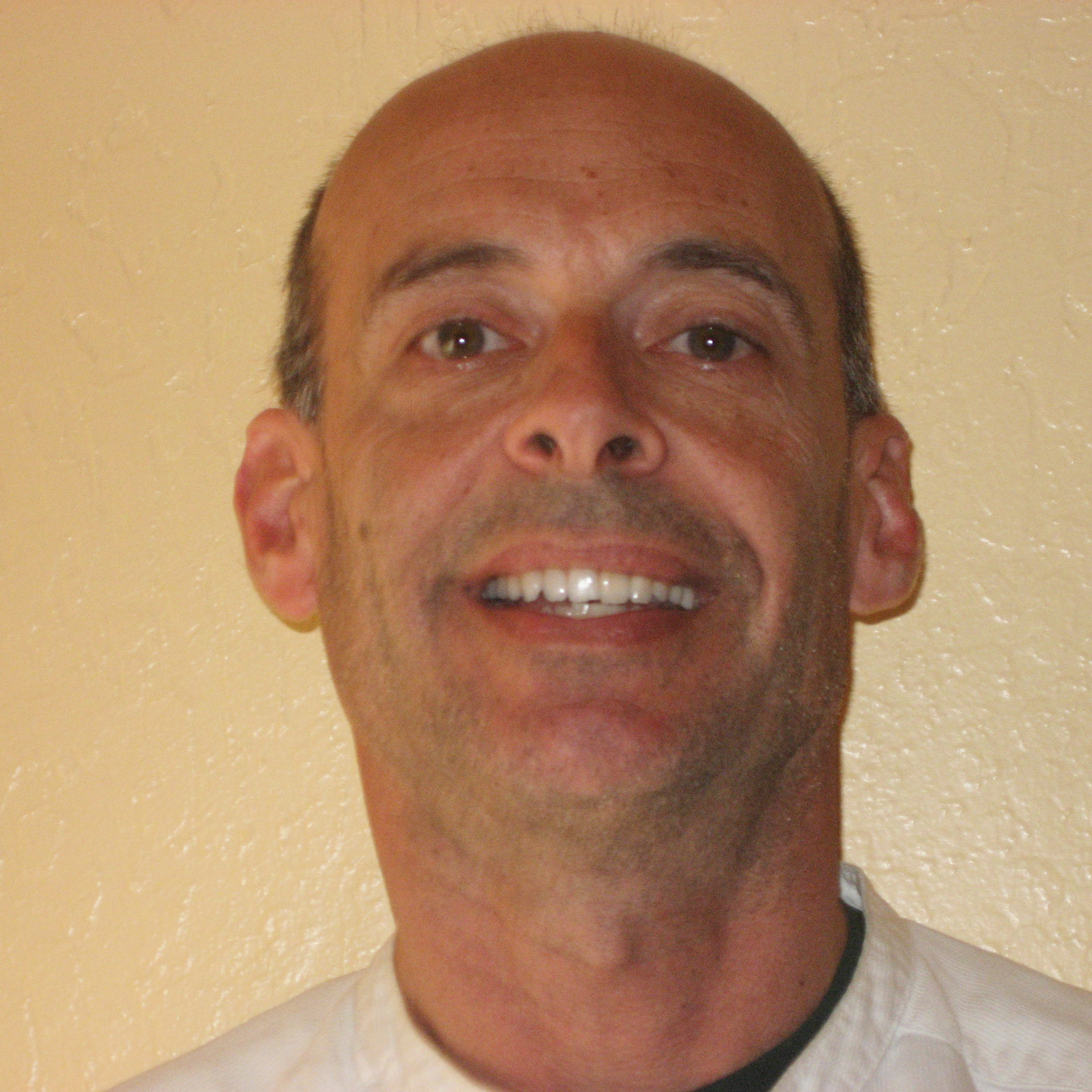
Former U.C. Berkeley star Anthony Ervin, one of at least three Jews with Bay Area connections who competed for the U.S. team in Rio, became the oldest swimmer to win an individual Olympic gold medal by racing to victory in the men’s 50-meter freestyle at the age of 35 — 16 years after winning his first gold.

Ervin, whose mom is Jewish and who describes himself on his website as representing “a broad demographic of Jewish, Native American and African American descent,” was competing in his third Summer Games. He won another gold medal earlier in the Rio competition as a member of the U.S. 4×100 freestyle relay that included Michael Phelps.
And Ervin, who wrote in an autobiography that he battled substance abuse, depression and homelessness — and attempted suicide — before making a comeback to Olympic-caliber swimming four years ago, is not even thinking about retirement.
“I can guarantee you’ll see me in Tokyo 2020,” he told reporters in Rio, referring to the next Summer Olympics. “Whether I’m in a suit, cap and goggles, or a suit and tie, we don’t know yet. I love swimming. Being in the water is a sanctuary.”
Ervin was not the only Jew with Bay Area connections on the U.S. squad in Rio, but he was the only one to come home with a medal.
The U.S. rugby team that included Zack Test, a native of Redwood City who attended the Ronald C. Wornick Jewish Day School in Foster City, finished ninth out of 12 teams. In rowing, the U.S. coxless four team that included Seth Weil of Menlo Park finished fourth in its semifinal, failing to reach the final.

Gymnast Aly Raisman, another Jewish member of the U.S. team, joined Ervin as a multiple medalist in Rio. Raisman, who is from Massachusetts, won gold in the team all-around event and silvers in the individual all-around competition and floor exercise.
Israeli athletes had won two medals as of Aug. 16 — both bronze, and both in judo. Or Sasson won his in the over 100-kilogram (220 pounds) category, hours after being snubbed by an Egyptian opponent who refused to shake his hand after their match.
Sasson, 25, won his opening-round match against Egypt’s Islam El Shehaby, who was jeered by fans when he gave Sasson a quick nod instead of the traditional post-match bow and then backed away when the Israeli extended his hand.
“I knew to put that incident aside,” Sasson told reporters after winning his medal. “Politics doesn’t matter when I’m on the mat.”
Shehaby, described as an ultra-conservative Salafi Muslim by the Associated Press, was reprimanded and sent home by the International Olympic Committee for his actions.
Sasson’s bronze was matched by Israel’s Yarden Gerbi, 27, in the women’s 63-kilogram (139 pounds) judo competition.
Israeli swimmer Andrea Murez, a Los Angeles native who studied human biology at Stanford before immigrating to Israel in 2014, failed to advance out of the heats in any of the three events in which she competed.
Ervin swam a personal-best time of 21.40 seconds to win the 50-meter freestyle by one-hundredth of a second, surpassing Phelps as the oldest individual gold medalist in swimming. Phelps, 31, days earlier had earned that distinction, which until Rio had been held by Duke Kahanamoku, who won the 100 freestyle at the 1920 Antwerp Olympics at the age of 30 and went on to popularize the Hawaiian sport of surfing.
Ervin has had quite a rollercoaster ride. He quit swimming in 2003, at the age of 22, and sold his gold medal from the 2000 Games, donating the money to victims of the 2004 Indian Ocean tsunami. At the 2012 Summer Olympics, he placed fifth in the 50-meter freestyle.