
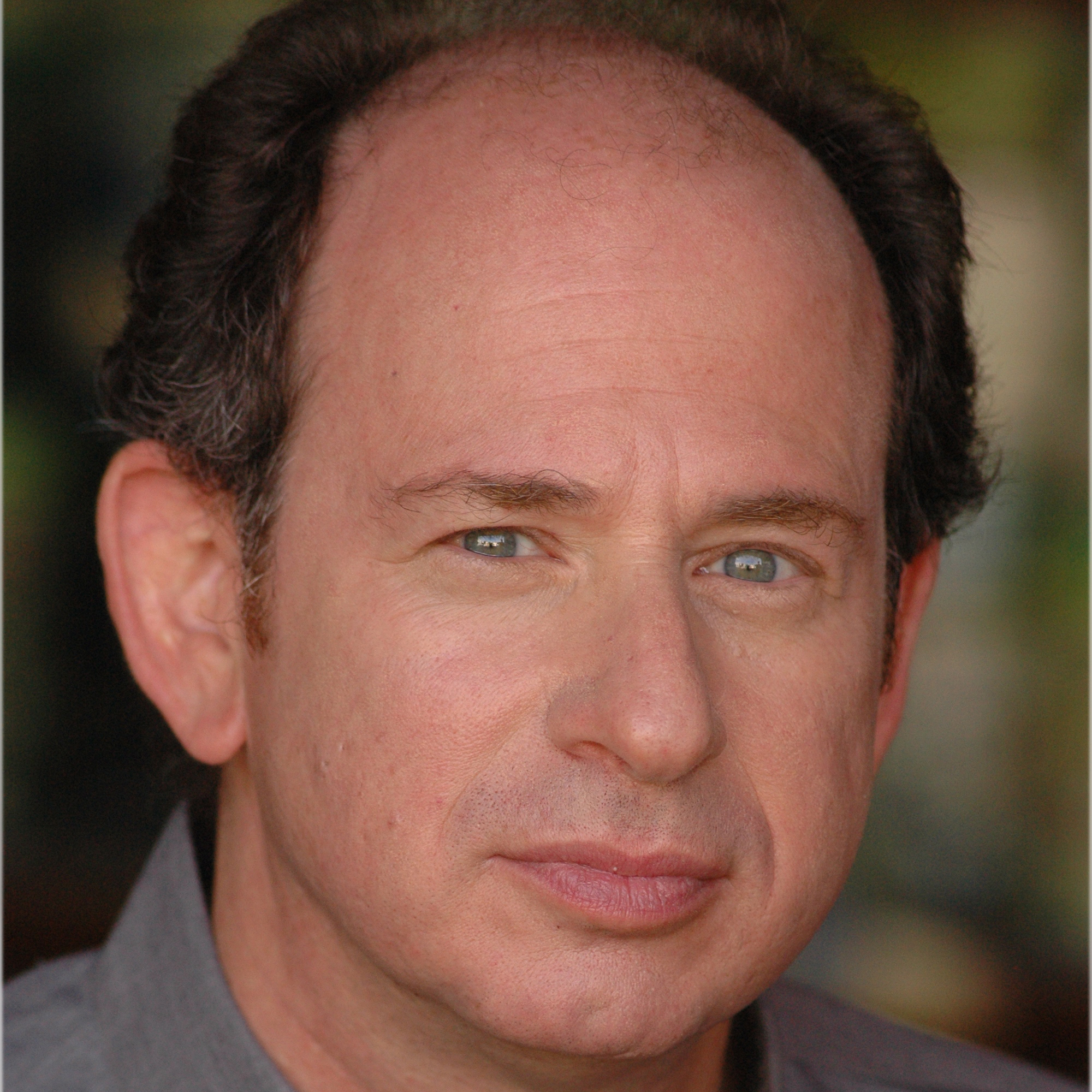
To call Bob Stern a strong-willed man is to traffic in understatement. Diagnosed with heart disease and prostate cancer after 77 years lived on his terms, the entrepreneur refused to cede control to the doctors.
In full control of his faculties and unwilling to endure surgeries and treatment, Stern took his life on his Central California ranch. But first, he made a videotape explaining his decision — with his wife and son present — for his out-of-town daughters.
“What you see in my family is this epic debate that’s talmudic,” says one of those daughters, San Francisco filmmaker Susan Stern. “What my family did was talk through things and analyze things and debate things.”
Stern intercuts her father’s tape with old home movies and postmortem family interviews in her riveting one-hour film, “The Self-Made Man.” A provocative blend of personal documentary and hot-button social issue, it airs Tuesday, July 26 as part of PBS’ “P.O.V.” series.
While most families would bury Bob Stern’s tape in the basement after one viewing, Susan Stern was convinced that making it public would be much more valuable.
“I wanted to bring that talmudic ethic of debate to other people,” she explains. “That [desire to share] is something I think is very Jewish. And as soon as I discovered that white men over 75 have the highest suicide rate in the nation, I realized this wasn’t just my dad.”
Stern adds, “It’s a delicate subject, but we Jews do take the lead often in figuring out how to talk about difficult subjects.”
A longtime investigative journalist before gravitating to filmmaking with her first documentary, “Barbie Nation,” Stern has never been afraid to ask tough questions.
“In my research I found that you can interpret Jewish traditions and the Bible and teachings to argue either side of the right-to-die issue,” she says. “There are eight suicides in the Bible, and some of them are presented in ways that are not only rational but heroic.”
She cites Samson bringing down the temple on his own head, which would seem to be a case of self-sacrifice rather than suicide.
“I would argue in my own father’s suicide there was an element of self-sacrifice, in that he was saving his family from suffering,” Stern says, four years after his death.
Although she did not know the official positions of the various rabbinical councils, Stern observed that people generally split along political lines on the right-to-die issue.
“Liberal religious leaders raise the issue of compassion,” Stern says. “They say, ‘What we’re asked to do as Jews is be compassionate. If someone is terminally ill, within six months of dying and painfully suffering, it can be a compassionate act to allow them to die.’ And I think there are rabbis who even go so far as to support physician-assisted suicide, as is legal in Oregon.”
Religion is barely mentioned in “The Self-Made Man,” since Bob Stern was not a man of faith.
“I did struggle with saying, ‘We are Jewish,'” Stern confides. “I put in that he was an atheist and not that he was a Jew, because his atheism had a direct bearing on his decision to take his own life: The fact that he thought there was no God that had to be consulted, the fact that he was his own maker — a self-made man — and could be his own un-maker.”
Yet Bob Stern molded his Jewish identity, like everything else in his life, to his own specifications. He contributed to the United Jewish Fund in his hometown of Chicago for 40 years, and he devised a unique tradition for family milestones.
“My father assigned each grandchild a task they had to complete to be bar- or bat mitzvahed by him,” Susan Stern recalls. “My daughter was the youngest and last. She was assigned at Passover 2001 to completely design and run the following year’s seder. Her personal sadness is that he gave her her task and didn’t live to see it finished.”
“The Self-Made Man” airs at 10 p.m. Tuesday, July 26 on KQED Channel 9.