
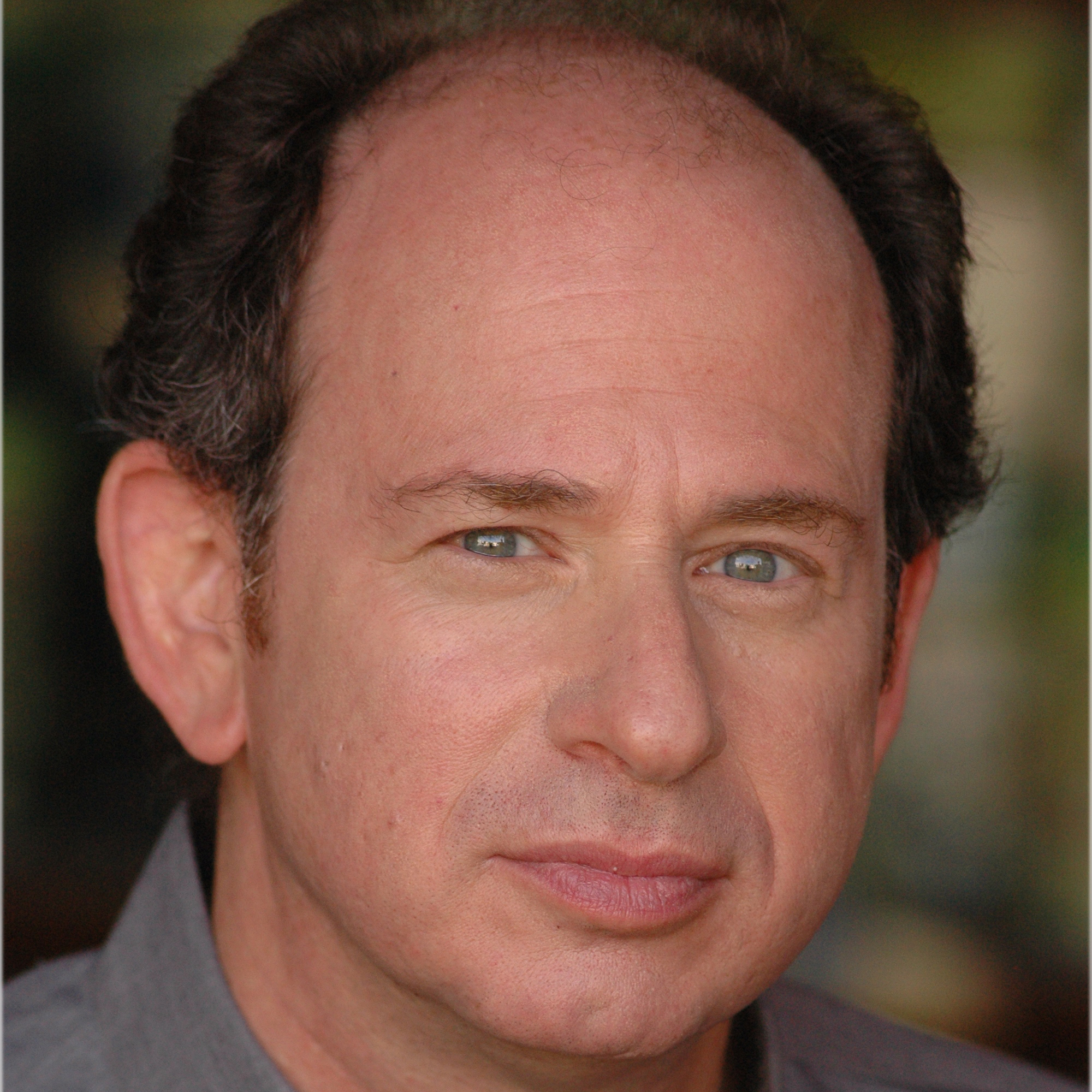
The ongoing controversy over Israel’s recent war in Gaza is shaping up as the perfect stage-setter for the North American premiere of the challenging new documentary by veteran Israeli filmmaker Avi Mograbi.
Screening in the upcoming San Francisco International Film Festival, “Z32” revolves around a young elite soldier’s recollections of participating in a revenge mission. A provocative and unsettling film, it should command the interest of anyone who had strong feelings about the allegations of Israeli atrocities in Gaza during the January incursion.
The festival also screens “City of Borders,” Berkeley director Yun Suh’s look at the Israeli-Palestinian conflict through the prism of Jerusalem’s sole gay bar. Another title that should attract Jewish viewers is Palestinian director Rashid Masharawi’s “Laila’s Birthday,” a droll but serious comedy driven (pun intended) by a Ramallah judge-turned-cab driver.
As for lesser Jewish connections, fans of Canadian brainiac Atom Egoyan may be surprised that his latest twisty exploration of family, memory and the stories we invent about ourselves, “Adoration,” contains some atypical references to Israel and the Holocaust. Meanwhile, Israeli director Nati Baratz follows a Buddhist disciple’s quest to find his master’s reincarnate in the documentary, “Unmistaken Child.”

“Z32” is recommended to everyone on both sides of the Israeli-Palestinian debate, from teenagers on up, especially with Mograbi scheduled to attend the festival and participate in what are sure to be heated Q&As after the first two screenings of the film, on May 3 and 4.
The film is disturbing on so many levels it’s hard to know where to begin. The core of “Z32” consists of the soldier and his girlfriend, their identities camouflaged by digital masks, alone with a camera discussing the night he was dispatched with his unit to avenge the deaths of several Israeli soldiers. He asks if she forgives him, then goes on to essentially bully her into recounting, absurdly, the horrific experience he’s just described.
These uncomfortable (for the viewer) sequences underscore that it’s not only veterans who live with their painful memories and moral lapses, but their loved ones — whether they want to or not. By extension, one senses that in a small country like Israel, individual sins, denial and remorse coalesce into a silent but palpable infection afflicting the entire society. (This was also one of the underlying themes of “Waltz With Bashir.”)
The unspoken implication is that, because the Israeli military (like that of any country) does whatever it thinks is necessary to defend its citizens, any killing is committed in the name of those citizens. Now, deaths inflicted during war are one thing, but the retaliatory murder of innocent people is another.
Mograbi goes even further in his onscreen appearances and semi-surreal musical interludes. The director, standing in for the civilian population, questions his culpability. But the way he does it — through the operatic lyrics of his original songs — consciously undercuts any serious attempt to take responsibility, as well as the Palestinian deaths at the center of the case. Mograbi’s not striving for irreverence here, but subversiveness.
Indeed, every frame of the film is intended to make us complicit, to challenge our complacency and to counteract our natural impulse to distance ourselves from the nasty business at hand. “Z32” is bound to provoke any viewer with a stake in Israel, and it’s designed to invite a strong response.
That said, “Z32” is not an anti-Israeli film, but an antiwar film. Let’s not forget that all militaries engage in covert operations that their citizens pretend not to know about.
Schedule of films
“Z32” screens at 9:15 p.m. Sunday, May 3 and 8:30 p.m. Tuesday, May 5 at the Sundance Kabuki Cinemas, 1881 Post St. (at Fillmore), San Francisco and 8:30 p.m. Monday, May 4 at the Pacific Film Archive, 2575 Bancroft Way (at Bowditch) in Berkeley. Director Avi Mograbi will attend the May 3 and 4 screenings.
“City of Borders” screens at 2 p.m. Sunday, April 26 at the Pacific Film Archive and 9:30 p.m. Thursday, April 30, 9:15 p.m. Monday, May 4 and 12:15 p.m. Wednesday, May 6 at the Sundance Kabuki Cinemas.
“Laila’s Birthday” screens at 6:30 p.m. Saturday, April 25, 3:30 p.m. Monday, April 27 and 7 p.m. Tuesday, April 28 at the Sundance Kabuki Cinemas.
Tickets: $10-$12.50. Information: www.sffs.org.